Podcast: John Brown and the history white solidarity as mental illness

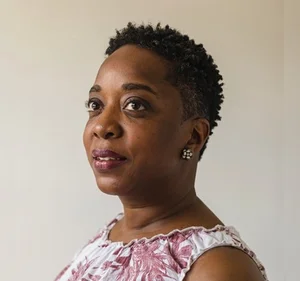
On this episode of Happy Hour History, Tarika Powell joins host Natalye Harpin to discuss John Brown and the history of labeling white allies “crazy.” We take a look at this phenomenon in history and in modern times, using as an example the media messaging around the 2020 Black Lives Matter (BLM) protests in Seattle, Washington.
John Brown (1800-1859) was an abolitionist who was fiercely devoted to ending slavery. He participated in several anti-slavery actions in the years leading up to the Civil War, including Bleeding Kansas, but is best known for his raid on the Harper’s Ferry armory in 1859.
Brown is one of the key abolitionists in American Civil War history, but history has tried to label him a fanatic or a lunatic. Brown rejected the label at trial and indeed, he was not mentally ill. So why has there been an insistence on calling him “crazy”?
Listen in podcast app:
Apple | Spotify | Pocket Casts
Learn More
About John Brown’s life and participation in abolitionist causes
About the raid on Harper’s Ferry
About the 23 participants in the Harper’s Ferry raid, including five Black men and several of Brown’s children
Brown’s courtroom speech at 1859 trial
About the debate over Brown’s legacy
Last Updated: 2026 to add audio, update podcast links.